

Is There Such Thing as Enough Ammo?
Whether you’re a frequent range shooter, a competitive shooter, or simply want to avoid running out of your preferred ammunition, it’s useful to have a plan for how much ammo you keep on hand.
But how much ammunition is enough?
There isn’t one universal number that works for everyone. The right amount depends on how frequently you shoot, which calibers you use, what type of ammo you use, how much storage space you have, and how easily you can purchase additional ammunition when you need it.
Instead of focusing on a specific number of rounds, it’s better to think about your ammunition supply in terms of usage, availability, storage, and rotation.
Our team at Ammo by Pistol Pete is going to break it down.
How Much Ammo Should You Keep at Home?
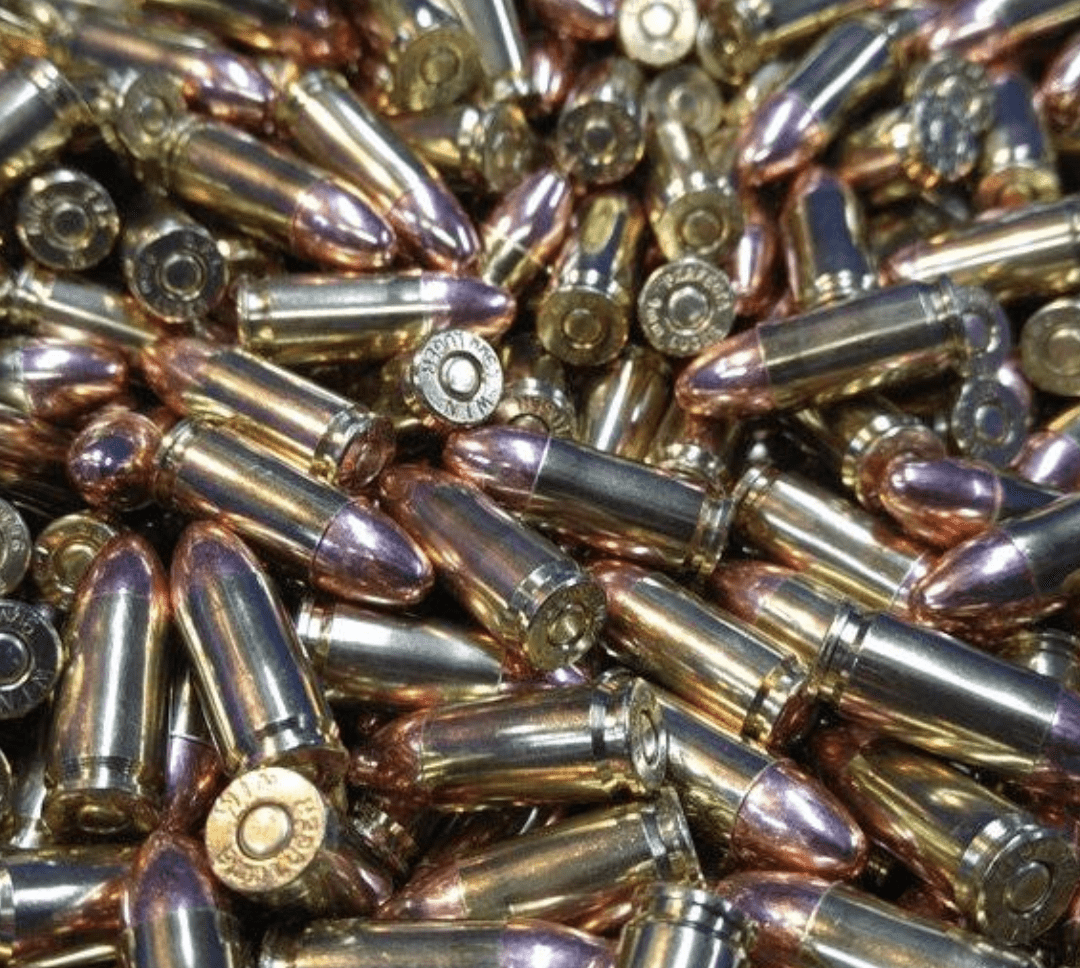
For most shooters, a reasonable ammunition supply is enough to cover their normal shooting activities while leaving some additional ammunition available for future range trips.
If you shoot regularly, buying ammunition in larger quantities can reduce the need to make frequent purchases. It can also make it easier to keep your preferred caliber available when you need it.
Your ideal supply may depend on:
- How often you visit the range
- Are you just using it for concealed carry or home defense
- How many firearms you own
- Which calibers you shoot most frequently
- Subsonic usage
- Whether you participate in training or competitions
- How much storage space you have
- How frequently you can purchase ammunition
- The availability and cost of your preferred ammunition
Someone who shoots once every few months will have very different ammunition needs from someone who visits the range every week.
Start With Your Shooting Habits
The easiest way to determine how much ammunition you should keep on hand is to look at how much you actually use.
Consider tracking your ammunition consumption over several range trips.
For example, if you consistently use a particular amount of ammunition during each range session, you can estimate how much you’ll need over the course of several months.
A simple approach is to calculate:
Average ammunition used per range trip × number of planned range trips = estimated ammunition demand
This gives you a starting point for building an ammunition supply that matches your actual habits.
Keep More of the Calibers You Shoot Most
If you own firearms chambered in several different calibers, you probably don’t need to maintain the same amount of every type of ammunition.
Instead, prioritize the calibers you shoot most frequently.
For example, someone who regularly shoots 9mm but only occasionally shoots .45 ACP may want to maintain a larger supply of 9mm.
This approach can make your ammunition storage more efficient while reducing the amount of money tied up in ammunition you rarely use.
Looking for ammunition for your next range trip? Ammo by Pistol Pete offers a variety of ammunition options for shooters looking to keep their preferred calibers on hand.
Is Buying Bulk Ammunition Worth It?

Buying ammunition in bulk can make sense for frequent shooters.
Instead of purchasing small quantities before every range trip, buying larger quantities can reduce the frequency of purchases and help you maintain a more consistent supply.
Bulk ammunition can be particularly useful for high-volume range shooting.
Before buying in large quantities, however, consider:
- How frequently you shoot
- Available storage space
- Ammunition shelf life
- Your preferred ammunition type
- Current pricing
- How quickly you expect to use it
Buying more ammunition than you can reasonably store or use may not be worthwhile.
Don’t Forget About Storage
How much ammunition you keep on hand is only part of the equation. How you store it matters too.
Ammunition should be stored in a cool, dry environment away from excessive moisture and other conditions that could damage it.
Proper storage can help preserve ammunition and reduce the likelihood of corrosion or other problems.
Consider keeping ammunition:
- In a dry location
- Away from excessive humidity
- Organized by caliber
- In its original packaging when practical
- Clearly labeled
- Protected from unnecessary exposure to moisture
If you’re maintaining a larger ammunition supply, organization becomes increasingly important.
Organize Your Ammunition by Caliber
Keeping different calibers organized can make it easier to determine what you have available.
A simple organization system can separate ammunition by:
- Caliber
- Brand
- Bullet type
- Grain weight
- Purchase date
Clear organization also makes it easier to identify which ammunition you need to purchase next.
For example, instead of discovering that you’re almost out of your preferred 9mm ammunition before your next range trip, you can monitor your supply and replenish it ahead of time.
Rotate Your Ammunition Supply
If you maintain a larger supply, consider using older ammunition before newer purchases.
A basic first-in, first-out approach can help keep your ammunition supply organized.
When purchasing new ammunition, place it behind older ammunition so older stock gets used first.
This doesn’t mean ammunition automatically becomes unusable after a certain amount of time. Properly stored ammunition can remain usable for a long period, but keeping your supply organized helps you avoid unnecessarily letting older stock sit untouched.
How Much Ammo Should You Bring to the Range?
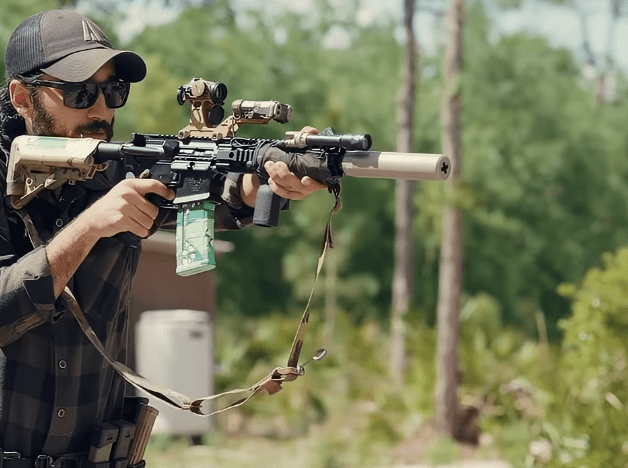
The amount you bring to the range should depend on your planned activities and the amount of shooting you expect to do.
Rather than bringing your entire ammunition supply, consider preparing enough ammunition for the session while keeping the rest safely stored.
Your range-day ammunition needs may depend on:
- Number of firearms you’re using
- Type of shooting you’re doing
- Planned drills or exercises
- Training duration
- Whether you’re shooting alone or with others
- Your typical round count
Planning ahead can help prevent both underestimating and unnecessarily overpacking your range ammunition.
Should You Keep Different Types of Ammunition?
Your ammunition supply may include different bullet types or loads depending on how you use your firearms.
For example, range shooting may call for different ammunition than other applications.
Rather than purchasing large quantities of ammunition you don’t regularly use, focus on maintaining a supply that matches your actual needs.
The most useful ammunition supply is one you’ll actually use.
How Much 9mm Ammo Should You Keep on Hand?
9mm is one of the most commonly used handgun calibers, and many shooters go through it quickly during regular range sessions.
If 9mm is your primary range caliber, your supply should be based on your average consumption.
Track how many rounds you typically use per trip, then estimate your needs across your expected range schedule.
Buying 9mm ammunition in larger quantities may make sense if you’re a frequent shooter because it can reduce the need to purchase small quantities repeatedly.
Need to replenish your 9mm supply? Shop Ammo by Pistol Pete for ammunition options that fit your shooting needs.
What About .223 and 5.56 Ammunition?
Rifle shooters may also go through significant amounts of .223 Remington or 5.56 NATO ammunition during range sessions.
As with handgun ammunition, the appropriate amount depends heavily on how frequently you shoot.
If you regularly train with a rifle, tracking your average round count can help you determine how much ammunition you should keep available.
It’s also important to verify that the ammunition you’re purchasing is appropriate for your specific firearm.
Should You Stockpile Ammunition?
The word “stockpile” can mean different things to different people.
For a typical shooter, maintaining a well-organized supply of ammunition that covers normal shooting needs is different from accumulating ammunition without a specific purpose.
A practical ammunition supply should be:
- Appropriate for your shooting frequency
- Properly stored
- Organized
- Regularly monitored
- Compatible with your firearms
- Replenished based on actual usage
The goal should be preparedness for your normal shooting activities—not simply accumulating the largest possible quantity.
How Often Should You Replenish Your Ammunition?
There’s no single schedule that works for every shooter.
Some people prefer to purchase ammunition whenever their supply reaches a certain level. Others purchase larger quantities less frequently.
A simple system is to establish a personal minimum.
For example, if you know you typically use a certain amount of ammunition over several range trips, you can decide to replenish your supply once it reaches a predetermined level.
This creates a simple cycle:
Use → Monitor → Replenish → Store → Repeat
It also makes ammunition purchases more predictable.
What Should You Consider Before Buying Ammunition?

Before purchasing a large quantity, consider the following:
Caliber Compatibility
Make sure the ammunition is appropriate for your firearm. If you’re unsure about ammunition compatibility, consult your firearm manufacturer’s documentation or a qualified professional.
How Quickly You’ll Use It
Buying more ammunition makes more sense when you know you’ll actually use it.
Storage Conditions
Make sure you have an appropriate place to store your ammunition before making a large purchase.
Ammunition Type
Choose ammunition appropriate for your intended shooting application.
Budget
A larger purchase may reduce how frequently you need to buy ammunition, but you should still consider the impact on your overall shooting budget.
Buy Ammunition Based on Your Needs
There isn’t a magic number of rounds that every shooter should keep on hand.
The best approach is to build an ammunition supply around how often you shoot, what calibers you use, and how much ammunition you typically consume.
Keep your ammunition organized, store it properly, monitor your supply, and replenish it based on your actual usage.
Whether you’re stocking up for regular range trips or simply want to make sure you have your preferred ammunition available when you need it, planning ahead can make ammunition management much easier.
Find Your Next Ammunition Supply at Ammo by Pistol Pete
Ready to replenish your ammunition supply?
Ammo by Pistol Pete provides ammunition options for shooters looking to keep their preferred calibers on hand. Browse available ammunition and find the right options for your next range trip.
Plan your purchases around your actual shooting habits, store your ammunition responsibly, and keep your supply organized so you’re ready for your next trip to the range.
Frequently Asked Questions
How much ammunition should the average shooter keep on hand?
There is no universal amount. Your ideal supply depends on how frequently you shoot, which calibers you use, your storage capacity, and how easily you can purchase additional ammunition.
Is it better to buy ammunition in bulk?
Bulk ammunition can make sense for frequent shooters who have adequate storage and know they’ll use the ammunition. It can reduce the need for frequent purchases, but buying more than you need may not be practical.
How long does ammunition last?
Properly stored ammunition can remain usable for a long time. Storage conditions, including moisture and temperature, can affect ammunition over time. Inspect ammunition before use and follow the manufacturer’s recommendations.
How should ammunition be stored?
Store ammunition in a cool, dry environment and protect it from excessive moisture. Keeping ammunition organized and labeled can also make inventory management easier.
Should ammunition be rotated?
Rotating ammunition can help ensure older stock gets used before newer purchases. A first-in, first-out approach is a simple way to manage a larger ammunition supply.
How do I know when to buy more ammunition?
Track your average ammunition consumption and establish a personal minimum supply. When your stock reaches that level, consider replenishing it based on your upcoming shooting plans.
Final Thoughts
How much ammunition you should keep on hand ultimately comes down to your individual shooting habits.
Instead of trying to follow an arbitrary number, look at how much ammunition you actually use, which calibers you shoot most often, and how frequently you visit the range. From there, you can build a practical supply that fits your needs.
Keep it organized, store it properly, monitor your inventory, and replenish your supply when necessary.
When you’re ready for your next ammunition purchase, Ammo by Pistol Pete is ready to help you find ammunition for your shooting needs.
Be sure to check out Ammo By Pistol Pete on Instagram!