
What’s the Difference?
When choosing 9mm ammunition, shooters often encounter different bullet weights, with 124 grain and 147 grain 9mm ammo being two of the most common options. While both are widely used for range shooting and training, even self defense, their different bullet weights can influence velocity, recoil characteristics, and overall shooting experience.
So, what is the difference between 9mm 124 grain vs. 147 grain ammunition? And which 9mm bullet weight is right for you?
Understanding the differences can help you make a more informed decision when selecting ammunition for your firearm. Our team at Ammo by Pistol Pete is going to break it down.
What Does Grain Weight Mean in 9mm Ammunition?

Before comparing 124 grain and 147 grain ammunition, it helps to understand what “grain” means.
In ammunition terminology, grain refers to the weight of the projectile, not the amount of gunpowder contained in the cartridge. One grain is a very small unit of mass, and bullet weights are commonly expressed in grains.
Therefore:
- 124 grain 9mm: The projectile weighs 124 grains.
- 147 grain 9mm: The projectile weighs 147 grains.
The 147 grain bullet is heavier than the 124 grain bullet. While that difference may appear relatively small, bullet weight can influence several characteristics of a cartridge, including velocity and recoil.
124 Grain vs. 147 Grain 9mm: The Basic Difference
The most straightforward difference between these two loads is bullet weight.
A 124 grain 9mm projectile is lighter, while a 147 grain projectile is heavier. When comparing otherwise similar ammunition, the lighter projectile will generally have a higher muzzle velocity, while the heavier projectile generally travels at a lower velocity.
However, ammunition performance depends on more than bullet weight alone. Powder selection, cartridge design, barrel length, bullet construction, and other factors can all affect the final performance of a particular load.
That means two different 9mm cartridges with the same bullet weight aren’t necessarily going to perform identically, and one may be good for the range and training sessions, and one may be better for self defense or everyday carry.
9mm 124 Grain Ammo
124 grain 9mm ammunition sits between common lighter and heavier 9mm bullet weights and has become a popular choice among handgun shooters.
One reason is its balance between bullet weight and velocity. Depending on the specific load, 124 grain ammunition can offer a combination that many shooters find well suited to general-purpose range use.
For shooters who want an adaptable 9mm load, 124 grain ammunition can be a practical choice for:
- Range training
- Target shooting
- Practice sessions
- General handgun use
- Testing firearm reliability with different ammunition loads
As always, shooters should verify that ammunition is appropriate for their specific firearm and follow the firearm manufacturer’s recommendations.
9mm 147 Grain Ammo
147 grain 9mm ammunition uses a heavier projectile than 124 grain ammunition.
Because the projectile is heavier, 147 grain loads generally have lower muzzle velocities than lighter bullets when comparing otherwise similar ammunition. However, velocity isn’t the only factor that matters when selecting ammunition.
Some shooters appreciate the shooting characteristics of heavier 9mm loads, while others prefer the characteristics of lighter projectiles.
147 grain ammunition can be an excellent option to include in a range ammunition selection, particularly for shooters who want to compare different bullet weights in their own firearm.
Does 124 Grain 9mm Have More Recoil Than 147 Grain?
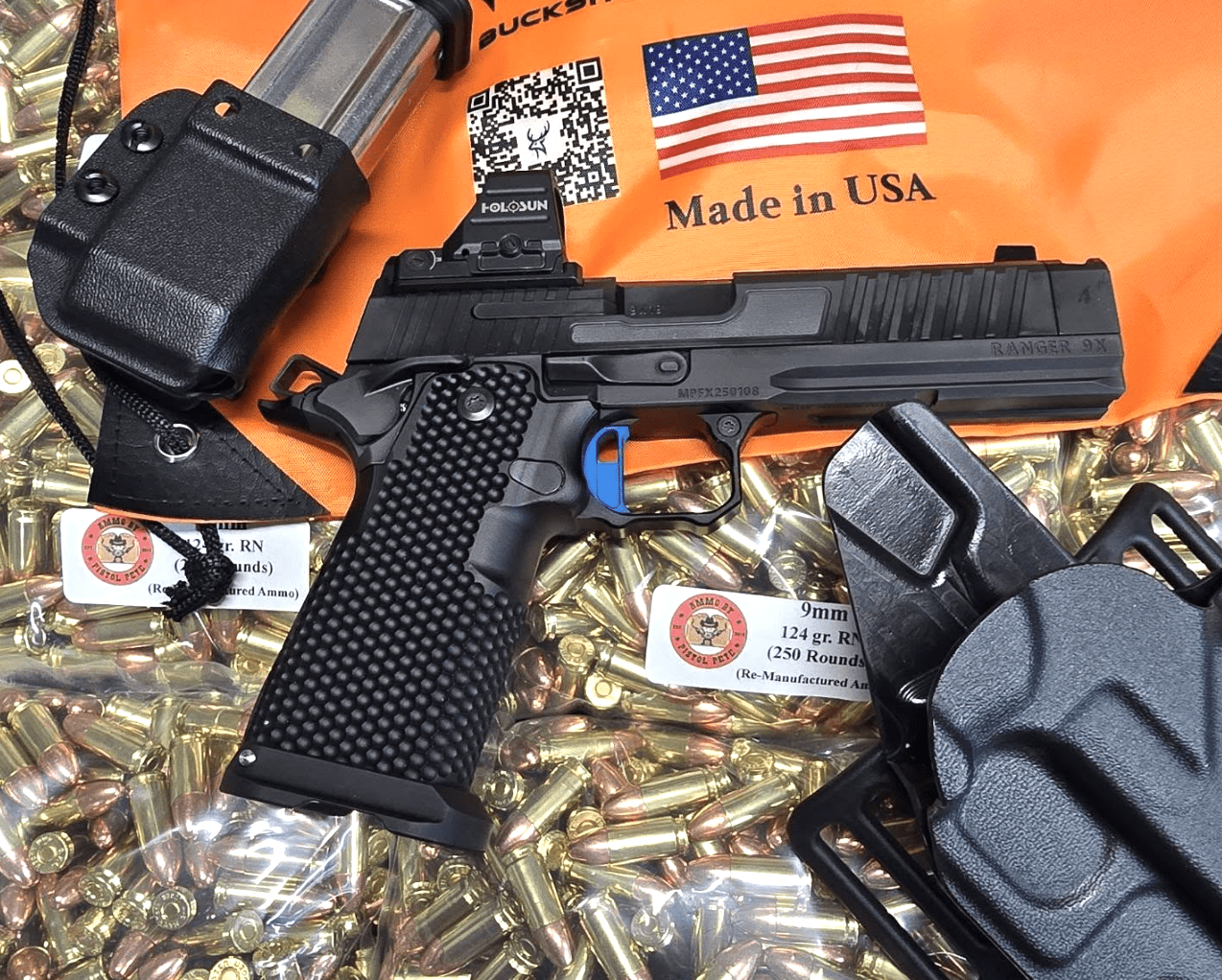
Recoil is one of the most commonly discussed differences between 124 grain and 147 grain ammunition.
It’s tempting to assume that a heavier bullet automatically creates more recoil, but the reality is more complicated. Recoil is affected by multiple factors, including projectile weight, velocity, firearm weight, powder charge, and ammunition design.
A 147 grain projectile generally travels at a lower velocity than a comparable 124 grain projectile. Depending on the specific loads being compared, shooters may perceive differences in recoil impulse or how quickly the firearm returns to the target.
The best way to determine which load feels better in your particular firearm is to practice with both and compare the experience.
124 Grain vs. 147 Grain: Which Is More Accurate?
There isn’t a universal answer to whether 124 grain or 147 grain 9mm ammunition is more accurate.
Accuracy depends on the firearm, ammunition, barrel, bullet design, shooter, and conditions. Some firearms may produce excellent groups with 124 grain ammunition, while another firearm may perform particularly well with 147 grain loads.
This is one reason experienced shooters often test different ammunition types rather than assuming that one bullet weight will automatically be the most accurate.
If you’re trying to determine which 9mm load your firearm prefers, testing different bullet weights on the range can provide useful information.
124 Grain vs. 147 Grain Velocity
Bullet weight has an important relationship with velocity.
When comparing similar ammunition designs, a 124 grain 9mm bullet will generally have a higher muzzle velocity than a 147 grain bullet. The heavier 147 grain projectile typically travels more slowly.
However, it’s important to look at the manufacturer’s published specifications rather than assuming a particular velocity based solely on bullet weight.
Velocity can vary based on:
- Powder charge
- Bullet construction
- Barrel length
- Ammunition design
- Environmental conditions
- Firearm configuration
For that reason, bullet weight should be viewed as one part of the overall ammunition equation.
Why Bullet Design Matters
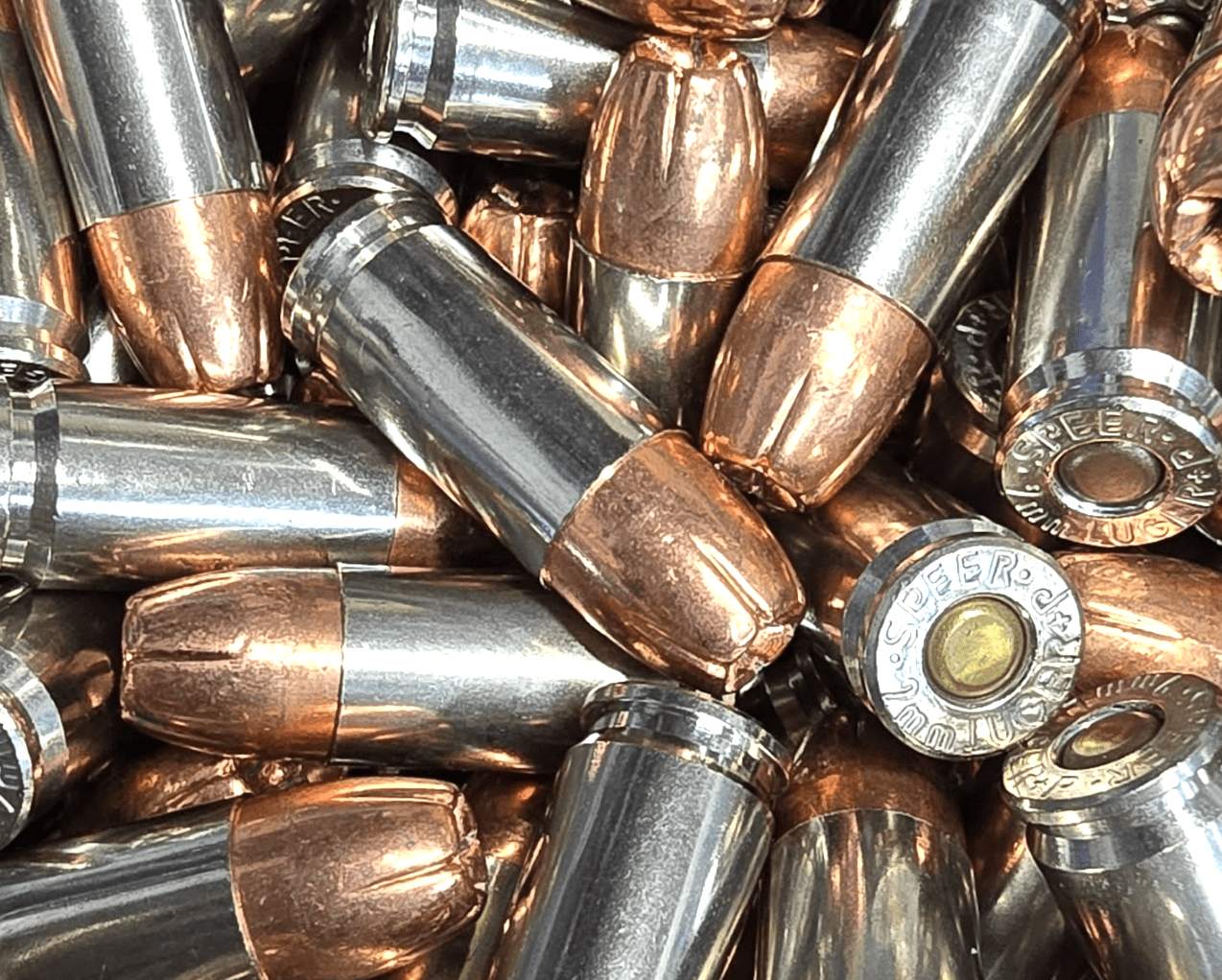
Bullet weight isn’t the only characteristic that affects ammunition performance.
Two 124 grain bullets can have different designs, and two 147 grain bullets can also differ substantially. Projectile shape, construction, jacket design, and other characteristics can all influence how ammunition performs.
This is particularly important when comparing ammunition from different manufacturers.
Instead of looking exclusively at 124 grain vs. 147 grain, consider the complete cartridge and the manufacturer’s specifications.
Should You Choose 124 Grain or 147 Grain 9mm?
For many shooters, the answer comes down to personal preference and the intended application.
124 grain 9mm ammunition may appeal to shooters looking for a balance between bullet weight and velocity. It is a popular option for general-purpose shooting and range training.
147 grain 9mm ammunition offers a heavier projectile and generally lower velocity compared with comparable 124 grain loads. Some shooters may prefer its shooting characteristics and want to incorporate heavier ammunition into their training.
Neither bullet weight is automatically the best choice for everyone.
Your firearm, ammunition specifications, shooting goals, and personal preferences should all play a role in the decision.
Test Different 9mm Loads at the Range
One of the best ways to understand the difference between 124 grain and 147 grain 9mm ammo is to shoot both.
Pay attention to:
- Recoil characteristics
- Accuracy
- Reliability
- Point of impact
- Shooting comfort
- Ammunition consistency
Testing different loads can help you determine which ammunition works best with your particular firearm.
It’s also important to use ammunition that matches your firearm’s specified caliber and to follow all manufacturer safety recommendations.
Choose Quality 9mm Ammunition From Ammo by Pistol Pete
Whether you prefer 124 grain or 147 grain 9mm ammunition, quality ammunition is an important part of a consistent shooting experience.
Ammo by Pistol Pete manufactures ammunition with shooters in mind, offering options designed for range sessions, training, and recreational shooting.
When choosing your next 9mm load, don’t focus exclusively on bullet weight. Consider the complete ammunition specifications, your firearm, and how the ammunition performs when you shoot it.
The difference between 9mm 124 grain vs. 147 grain ultimately comes down to more than a number on the box. Bullet weight can influence velocity and shooting characteristics, but ammunition design and firearm compatibility also matter.
Whether 124 grain or 147 grain is right for you, Ammo by Pistol Pete can help you find quality ammunition for your next range session.
9mm 124 Grain vs. 147 Grain: Frequently Asked Questions
Is 124 grain or 147 grain 9mm better?
Neither is universally better. 124 grain and 147 grain ammunition have different characteristics, and the best choice depends on your firearm, intended use, and personal preference.
Is 147 grain 9mm more powerful than 124 grain?
A heavier bullet does not automatically mean more powerful ammunition. Muzzle energy depends on both projectile weight and velocity, along with the specific ammunition load.
Does 147 grain 9mm have more recoil?
Not necessarily. Recoil depends on several variables, including projectile weight, velocity, powder charge, and firearm weight. Different shooters may perceive 124 grain and 147 grain loads differently.
Is 124 grain 9mm faster than 147 grain?
Generally, yes. When comparing otherwise similar loads, 124 grain ammunition typically produces higher muzzle velocity than 147 grain ammunition because the projectile is lighter.
Which 9mm grain weight should I use?
Use ammunition that is appropriate for your firearm and matches the manufacturer’s specifications. From there, you can compare different loads to determine which performs best for your particular firearm and shooting needs.
Be sure to follow us on Instagram!