
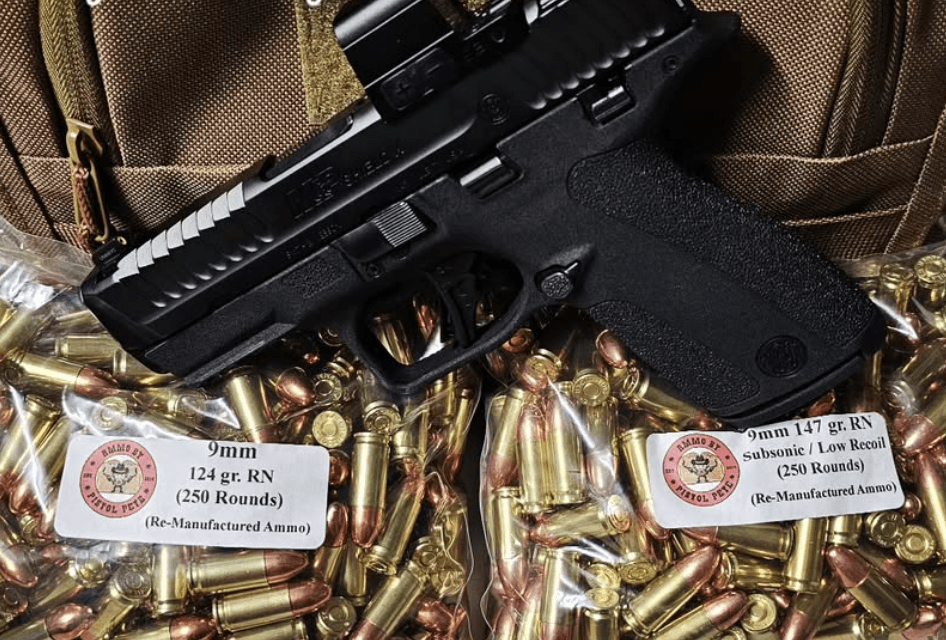
A Beginner’s Guide to Subsonic Ammo
If you’ve spent time shopping for ammunition, whether for a pistol or rifle, you’ve probably come across the term subsonic ammunition. But what does “subsonic” actually mean, and how does it differ from standard ammunition?
For shooters looking for a lower-noise option, subsonic ammo can be an excellent choice for certain firearms and applications. At Ammo by Pistol Pete, we believe understanding the ammunition you buy is just as important as choosing the right caliber.
In this guide, our team at Ammo by Pistol Pete will explain what subsonic ammunition is, how it works, how it compares with supersonic ammo, and what shooters should know before choosing it.
What Is Subsonic Ammunition?
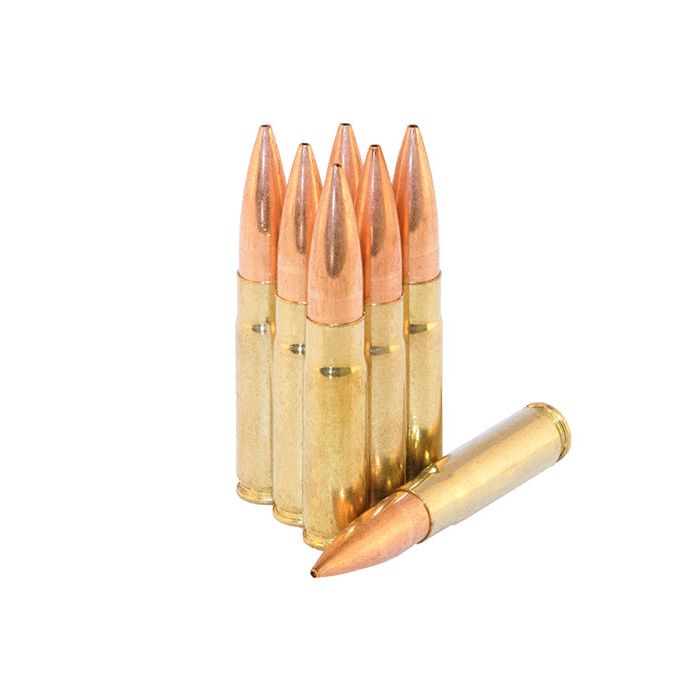
Subsonic ammunition is ammunition designed to propel a projectile below the speed of sound.
Under standard atmospheric conditions, the speed of sound is approximately 1,125 feet per second (fps), although the exact speed changes with temperature and other environmental conditions. Ammunition traveling below this threshold is considered subsonic.
By staying below the sound barrier, a subsonic projectile avoids producing the sharp sonic crack associated with a bullet traveling faster than the speed of sound.
This is the primary characteristic that separates subsonic ammunition from many conventional loads.
Why Does Subsonic Ammo Sound Quieter?
When a firearm is fired, the sound you hear comes from several sources. Expanding propellant gases create the muzzle blast, while a projectile traveling faster than sound creates an additional shockwave that produces the familiar sharp crack.
Subsonic ammunition eliminates that supersonic projectile crack because the bullet remains below the speed of sound.
It’s important to understand that subsonic ammunition is not silent. The firearm still produces noise from the ignition of the propellant and expanding gases. Hearing protection should still be used whenever shooting.
Subsonic Ammo and Suppressors
One of the most common applications for subsonic ammunition is shooting with a suppressor.
A suppressor is designed to reduce the noise produced by expanding propellant gases. However, it cannot eliminate the sonic crack created by a projectile traveling faster than the speed of sound.
Combining a suppressor with subsonic ammunition addresses both major sources of firearm noise: the muzzle blast and the projectile’s supersonic crack.
This makes subsonic ammunition particularly popular among shooters who use suppressor-equipped firearms where legally permitted.
How Is Subsonic Ammunition Made?
There are several ways ammunition can be designed to remain below the speed of sound.
Manufacturers may use heavier projectiles, different propellant charges, or other cartridge and projectile design characteristics to achieve the desired velocity.
A heavier projectile can help retain useful momentum and energy despite its lower velocity. However, reducing velocity also changes the ballistic characteristics of the cartridge.
That’s why subsonic ammunition isn’t simply “regular ammo that happens to be slower.” Properly designed subsonic loads balance velocity, projectile weight, pressure, reliability, and intended use.
Subsonic vs. Supersonic Ammunition
The biggest difference between the two is projectile velocity.
| Feature | Subsonic Ammo | Supersonic Ammo |
|---|---|---|
| Projectile velocity | Below the speed of sound | Above the speed of sound |
| Sonic crack | Avoided | Present |
| Typical use with suppressors | Excellent pairing | Sonic crack remains |
| Trajectory | Generally more pronounced bullet drop | Generally flatter |
| Energy | Generally lower at comparable bullet weights | Generally higher |
| Noise | Reduced projectile noise | Additional sonic crack |
Because subsonic ammunition travels more slowly, it generally has a more pronounced trajectory and can produce less muzzle energy than a comparable supersonic load.
What Calibers Have Subsonic Ammunition?
Subsonic loads are available in a variety of calibers.
Some cartridges are naturally well suited to subsonic velocities. .45 ACP, for example, is traditionally a relatively slow-moving handgun cartridge and many standard loads are already subsonic.
Other popular calibers have specifically designed subsonic loads, including:
- 9mm
- .22 LR
- .300 Blackout
- .45 ACP
- Other specialty rifle and handgun cartridges
The exact velocity depends on the specific ammunition, projectile weight, barrel length, and environmental conditions, so shooters should always check the manufacturer’s specifications for the particular load they’re using.
Does Subsonic Ammo Work in Every Firearm?
Not necessarily.
Semi-automatic firearms can be particularly sensitive to ammunition velocity because the firearm may rely on the energy generated by firing to cycle the action. A particular subsonic load may function reliably in one firearm but fail to cycle properly in another.
This is why it’s important to follow the firearm manufacturer’s recommendations and verify that a specific ammunition load is appropriate for your firearm. Also make sure to clean your firearm.
Shooters should also pay attention to bullet weight, velocity, cartridge specifications, and any restrictions listed by the firearm or suppressor manufacturer.
Is Subsonic Ammo More Accurate?
Not automatically.
Accuracy depends on numerous factors, including the firearm, barrel, ammunition consistency, projectile design, shooter, and environmental conditions.
Subsonic ammunition can provide excellent accuracy in the right firearm, but its lower velocity means the projectile generally experiences more bullet drop at longer distances. Shooters should understand the trajectory of their specific load rather than assuming subsonic ammunition will automatically be more or less accurate.
Benefits of Subsonic Ammunition

Depending on your firearm and shooting application, subsonic ammo can offer several advantages:
Reduced Noise
The elimination of the supersonic crack can significantly reduce the perceived sound of a shot, particularly when combined with a suppressor.
Excellent for Suppressed Firearms
Subsonic ammunition is specifically useful for shooters who want to take full advantage of a suppressor’s ability to reduce muzzle blast.
Potentially Reduced Recoil
Lower-velocity loads can produce less recoil in some cartridges, although the actual recoil depends on projectile weight, firearm weight, propellant charge, and other factors.
Specialized Performance
Some cartridges and loads are specifically engineered around subsonic performance, providing shooters with ammunition designed for a particular combination of velocity, projectile weight, and application.
What Are the Disadvantages of Subsonic Ammo?
Subsonic ammunition isn’t necessarily the best choice for every shooting situation.
The lower velocity can mean more bullet drop, lower muzzle energy, and reduced effective range compared with higher-velocity loads.
Additionally, certain semi-automatic firearms may not reliably cycle with every subsonic load.
For these reasons, ammunition selection should always be based on the firearm, caliber, intended application, and manufacturer’s recommendations.
Is Subsonic Ammunition Right for You?
Subsonic ammunition can be an excellent option if you’re looking for a load that stays below the speed of sound, particularly when shooting a compatible firearm equipped with a suppressor.
However, subsonic doesn’t automatically mean better. The lower velocity comes with tradeoffs, and every load has its own ballistic characteristics.
Before purchasing, consider your firearm, the specific ammunition specifications, projectile weight, intended use, and whether the load is recommended for your setup.
Shop Ammunition from Ammo by Pistol Pete
Understanding ammunition terminology can make it easier to choose the right load for your needs. Subsonic ammunition is designed to stay below the speed of sound, eliminating the sharp sonic crack produced by supersonic projectiles.
Whether you’re looking for subsonic, target, defensive use, hunting, or range training ammunition, Ammo by Pistol Pete can help you find the right ammunition for your firearm and application.
Always verify ammunition compatibility with your firearm and follow all applicable federal, state, and local laws. Use appropriate eye and hearing protection whenever shooting.
Frequently Asked Questions About Subsonic Ammo
What does subsonic mean in ammunition?
Subsonic means the projectile is designed to travel below the speed of sound, which is approximately 1,125 fps under standard conditions.
Is subsonic ammo quieter?
Yes, subsonic ammunition eliminates the sharp sonic crack created when a projectile breaks the sound barrier. It is not silent, however, because firing still produces muzzle blast and other noise.
Is subsonic ammo good for suppressors?
Yes. Subsonic ammunition is commonly paired with suppressors because the ammunition eliminates the projectile’s sonic crack while the suppressor reduces muzzle blast.
Is .45 ACP subsonic?
Many .45 ACP loads are naturally subsonic because the cartridge traditionally operates at relatively low velocities. Always check the specifications of the specific load.
Does subsonic ammo have less recoil?
It can, depending on the cartridge and load. Recoil is influenced by projectile weight, velocity, propellant charge, and firearm weight.
Can subsonic ammo cycle a semi-automatic firearm?
It depends on the firearm and ammunition combination. Some semi-automatic firearms may require a particular velocity or load to cycle reliably, so always verify compatibility and test ammunition safely before relying on it.
Be sure to shop Ammo By Pistol Pete and follow us on Instagram!