Choose the Right Ammunition for Each Application
When shopping for ammunition, one of the most common questions shooters encounter is FMJ vs. hollow point: what’s the difference? While both are popular bullet designs, they are engineered with different characteristics and intended applications.
Understanding the difference between full metal jacket (FMJ) ammunition and hollow point ammunition can help shooters make more informed decisions when selecting ammunition for training, target shooting, competition, or other appropriate uses.
Ammo by Pistol Pete offers ammunition for shooters who want reliable options for their specific firearms and training needs, and we’re breaking down what you should know about FMJ and hollow point ammunition.
What Is FMJ Ammunition?
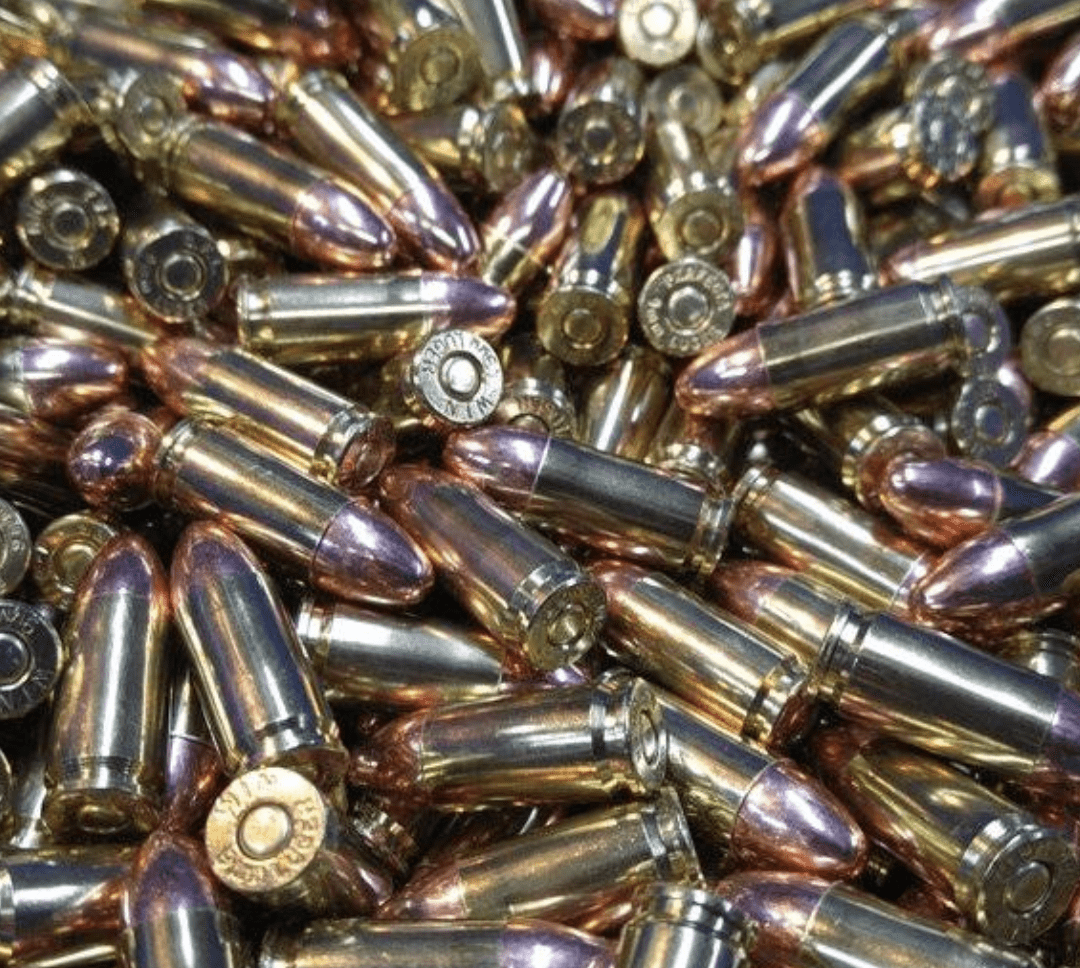
FMJ stands for Full Metal Jacket. An FMJ bullet generally consists of a lead core surrounded by a metal jacket, commonly copper or a copper alloy. The jacket covers the nose and sides of the projectile, creating a relatively smooth bullet profile.
The design is one reason FMJ ammunition is widely used for target shooting and training. FMJ rounds are commonly available in a wide range of calibers and grain weights and are often less expensive than specialized projectile designs.
Because FMJ bullets generally don’t have a cavity designed to promote expansion, they tend to retain much of their original shape when striking a target.
Why Is FMJ Ammunition Popular?
FMJ ammunition has several characteristics that make it popular among recreational shooters and those conducting range training.
Affordability: FMJ ammunition is generally less expensive to produce than many specialized bullet designs, making it practical for high-volume shooting.
Availability: FMJ ammunition is widely available in many popular handgun and rifle calibers.
Training: FMJ is commonly used for target practice, range sessions, and other forms of training.
Consistent design: The relatively simple bullet construction provides predictable characteristics for many common range applications.
For shooters who spend significant time practicing at the range, FMJ ammunition can be a practical choice.
What Is Hollow Point Ammunition?

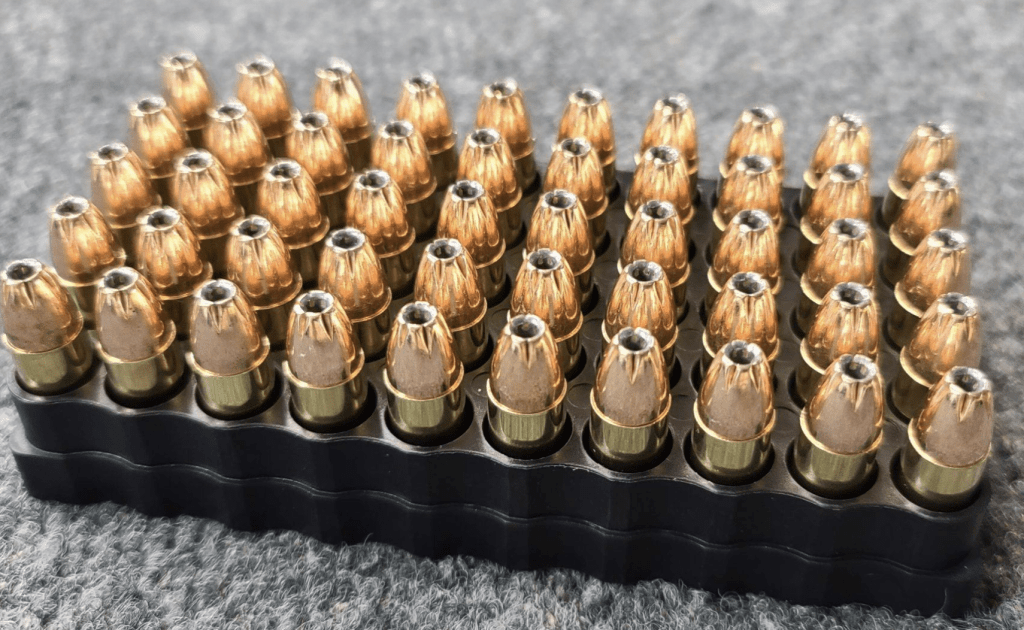
A hollow point bullet features a cavity or recessed area in the nose of the projectile. Many hollow point designs are engineered to expand when they encounter an appropriate target medium.
A common type is JHP, or Jacketed Hollow Point. These bullets combine a jacketed construction with a hollow point design.
The cavity is intended to influence how the projectile behaves upon impact. Depending on the specific ammunition design, impact conditions, and other variables, a hollow point may expand and increase in diameter.
Because hollow point ammunition is designed around different performance characteristics than FMJ, it is often used in applications where controlled expansion is a desired characteristic.
FMJ vs. Hollow Point: The Main Difference
The biggest difference between FMJ and hollow point ammunition is bullet design and intended performance upon impact.
An FMJ bullet has a jacketed nose and is generally designed to maintain its shape rather than expand significantly.
A hollow point has a cavity in the nose that is designed to facilitate expansion under appropriate conditions.
This difference affects how the two types of ammunition behave and why shooters may choose one over the other.
| Feature | FMJ | Hollow Point |
|---|---|---|
| Full Metal Jacket | Yes | Not necessarily |
| Hollow cavity | No | Yes |
| Designed for expansion | No | Generally yes |
| Common use | Training and target shooting | Defensive applications and specialized uses |
| Typical cost | Generally lower | Generally higher |
| Availability | Very widespread | Widely available |
It’s important to remember that ammunition performance varies between manufacturers, bullet designs, calibers, velocities, and firearms. The label alone doesn’t tell the entire story.
Why Is FMJ Commonly Used for Training?
For many shooters, ammunition costs are an important consideration. Training sessions can involve firing significantly more rounds than a shooter would use in other applications.
Because FMJ ammunition is generally less expensive than hollow point ammunition, it is frequently selected for range practice and high-volume training.
For example, someone practicing at the range may want to spend several hours working on fundamentals and shooting at paper or approved targets. Using a less expensive training load can make those sessions more economical.
FMJ is also widely available, making it easy for shooters to find compatible ammunition in popular calibers.
Why Are Hollow Points Designed Differently?
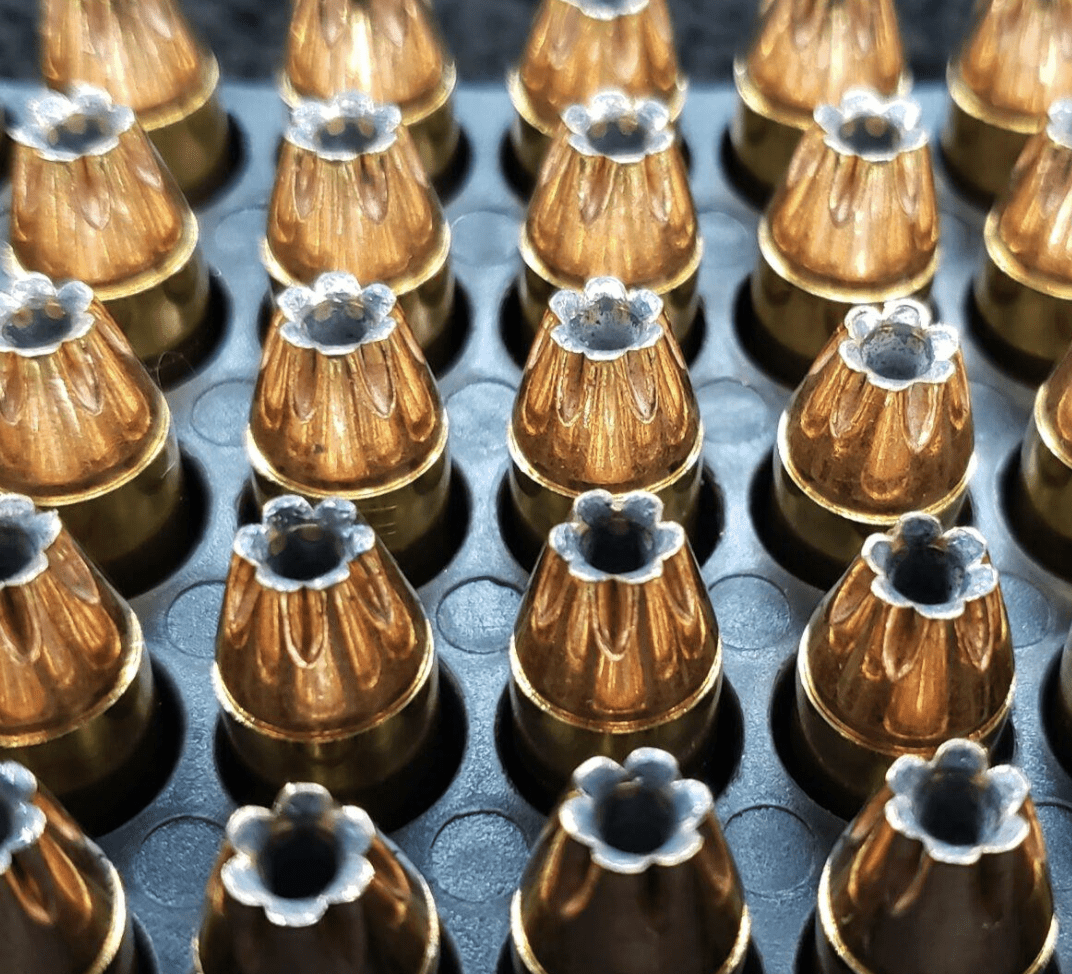
Hollow point ammunition is designed with a different objective in mind. The cavity in the nose provides space for the bullet to deform and expand under appropriate impact conditions.
Expansion can increase the projectile’s diameter and alter its penetration characteristics. The specific results depend on the particular bullet construction, velocity, target medium, and other factors.
This is why shooters shouldn’t assume that every hollow point will perform identically. Different manufacturers and product lines can use different jacket designs, core materials, cavity shapes, and engineering approaches.
Is FMJ or Hollow Point Better?
There isn’t one universal answer to whether FMJ or hollow point ammunition is better.
The right ammunition depends on what you’re doing, the firearm you’re using, the manufacturer’s recommendations, and applicable laws and range rules.
For many shooters, FMJ makes sense for:
- Target practice
- Recreational range shooting
- High-volume training
- Plinking
- Certain competition applications
Hollow point ammunition may be selected for:
- Personal-defense applications
- Certain law-enforcement applications
- Specialized shooting applications where expansion is desired
The important thing is to match the ammunition to the intended application rather than assuming one bullet design is automatically superior in every situation.
FMJ vs. Hollow Point for Range Training

For ordinary range practice, FMJ ammunition is often the economical choice.
If you’re spending time working on fundamentals, practicing with a firearm, or simply enjoying a range day, there may be little reason to use more expensive specialized ammunition for every round.
However, shooters should always follow the rules of their particular range. Some ranges have ammunition restrictions, including limitations on certain projectile materials or designs.
It’s also important to use ammunition in the caliber and specifications recommended for your firearm.
FMJ vs. Hollow Point for Self-Defense
For defensive applications, or things like concealed carry, ammunition selection deserves additional consideration.
Hollow point ammunition is specifically engineered in many cases to expand upon impact. This can provide performance characteristics that are different from conventional FMJ ammunition.
However, selecting defensive ammunition isn’t simply a matter of buying the most expensive hollow point available. Shooters should consider whether the ammunition is appropriate for their firearm, whether it functions reliably, and whether it complies with applicable laws and regulations.
When choosing ammunition for any firearm, always follow the firearm manufacturer’s specifications and use ammunition appropriate for the firearm.
Does Hollow Point Ammo Cost More Than FMJ?
Generally, yes.
Hollow point ammunition typically requires more specialized bullet construction and engineering than conventional FMJ ammunition. As a result, hollow point ammunition often costs more.
For someone purchasing ammunition for regular range practice, that price difference can become significant over time.
This is one reason many shooters maintain different ammunition for different purposes: economical FMJ ammunition for routine training and specialized ammunition for applications where its characteristics are appropriate.
Can You Train With Hollow Point Ammunition?
Yes, provided the ammunition is appropriate for the firearm and permitted by the range.
However, cost is one reason shooters frequently choose FMJ for routine practice. Hollow point ammunition can be more expensive, so using it exclusively for high-volume range sessions may not be the most economical option.
There is also value in becoming familiar with any ammunition you intend to use for a specific purpose. Ammunition should function reliably in the firearm for which it is intended.
Why Ammunition Selection Matters
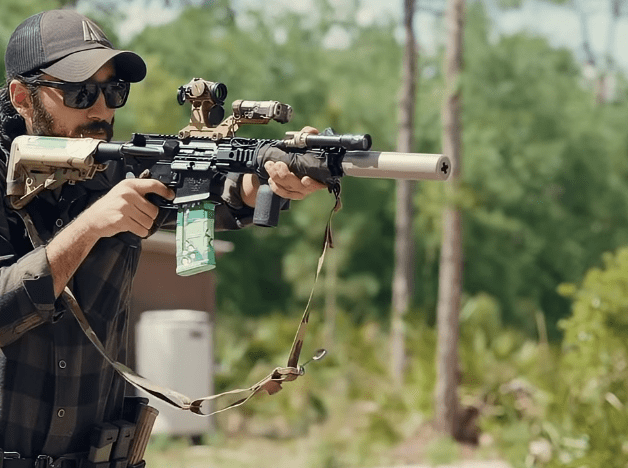
Ammunition isn’t one-size-fits-all. Caliber, bullet design, grain weight, velocity, firearm configuration, and intended use can all influence which ammunition is appropriate.
That’s why understanding terms like FMJ, JHP, hollow point, grain weight, and caliber is important for anyone purchasing ammunition.
The more you understand about ammunition construction, the easier it becomes to compare products and select the appropriate load for your needs.
FMJ vs. Hollow Point: The Bottom Line
So, what’s the difference between FMJ and hollow point ammunition?
FMJ ammunition features a jacketed bullet designed primarily around consistent, economical performance and is commonly used for training and target shooting. Hollow point ammunition features a cavity in the bullet’s nose and is generally designed to expand under appropriate impact conditions.
Neither design is automatically the right choice for every application. The best ammunition depends on the firearm, the intended use, applicable laws, range requirements, and the specific ammunition being considered.
For shooters looking for dependable ammunition for range training and other shooting applications, Ammo by Pistol Pete provides ammunition options designed to meet a variety of shooting needs.
Understanding the difference between FMJ and hollow point ammunition is the first step toward making a more informed ammunition purchase.
Be sure to shop Ammo By Pistol Pete and follow us on Instagram!